Knowing when to check your blood sugar reveals how your body responds to meals, exercise, stress and medication. Here are the key moments to monitor.
Monitoring blood sugar levels is a fundamental part of effective diabetes management. Knowing when to check your blood sugar can provide crucial insights into how your body reacts to various factors such as meals, exercise, stress, and medications. Regular checks help in spotting trends, adjusting treatment plans, and preventing potential complications, making it easier to maintain stable glucose levels.
In this article
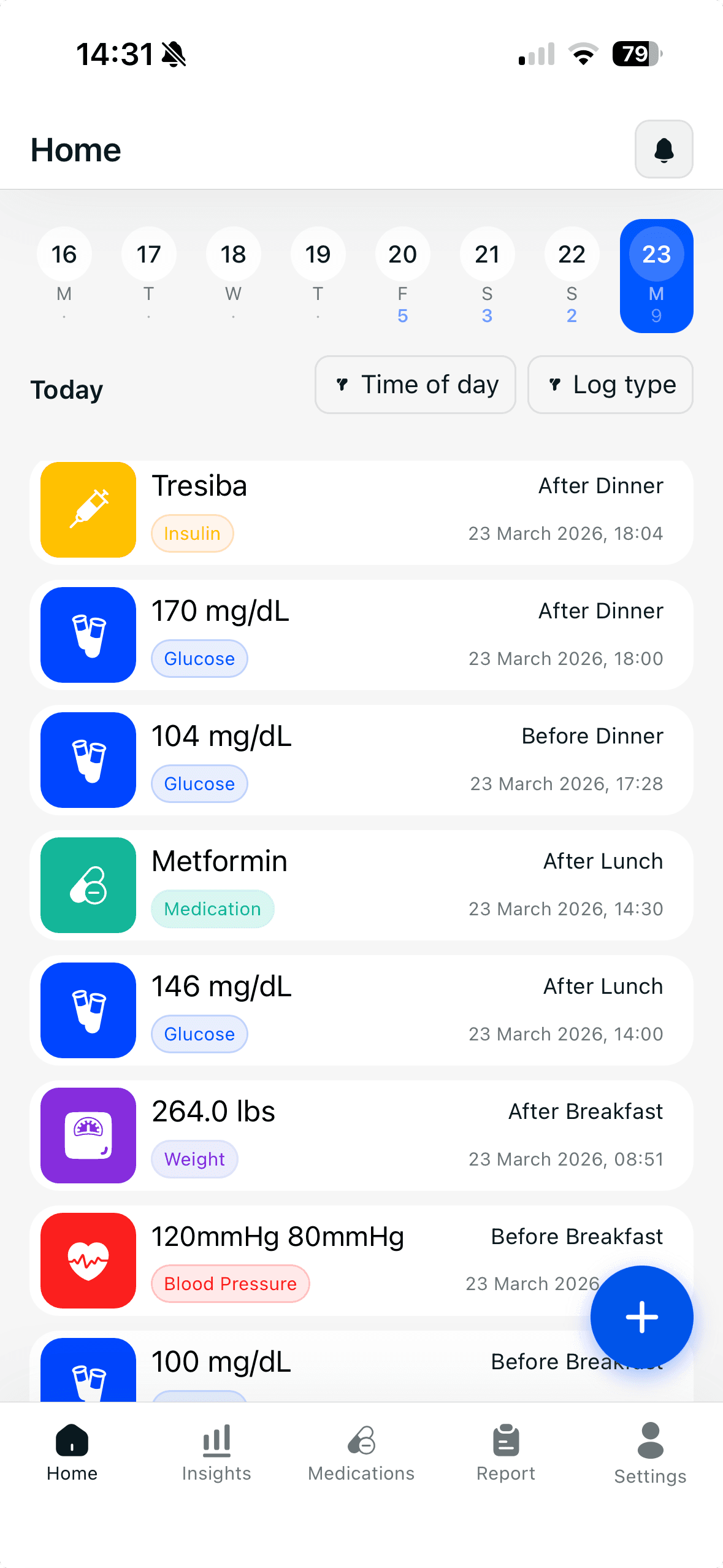
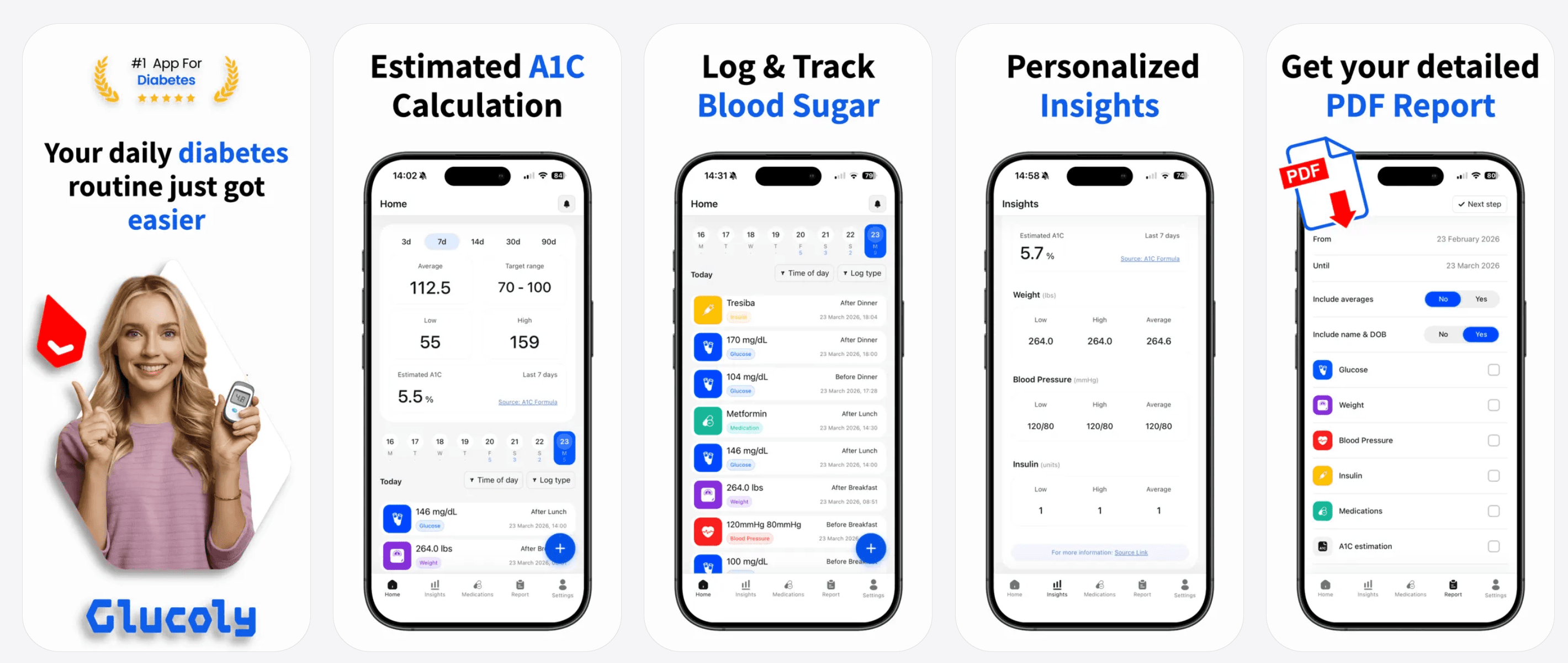
In this guide, we'll explore the best times to monitor your blood sugar and explain the importance of each. With tools like Glucoly, tracking becomes seamless, enabling you to integrate monitoring into your daily routine effortlessly.
Why Monitoring Blood Sugar is Important
Regular blood sugar monitoring is not just about numbers; it's about understanding your body's needs and responses. This monitoring helps identify how different foods, activities, and stressors affect your blood sugar, allowing for timely adjustments in medication, diet, and lifestyle.
Accurate tracking can prevent both short-term complications like hypoglycemia (low blood sugar) and hyperglycemia (high blood sugar), and long-term issues such as nerve damage, vision problems, and heart disease. By understanding and acting on your blood sugar data, you empower yourself to make informed decisions that support better health outcomes.
Best Times to Check Your Blood Sugar
First thing in the morning, before eating or drinking: this provides a baseline reading after several hours without food. It helps assess how well your body is managing blood sugar overnight and can highlight issues like the dawn phenomenon.
Before and after meals: testing before meals shows your starting level, while testing 1–2 hours after eating shows how your body responds to the food. These readings are essential for understanding the impact of different foods and portion sizes.
Before bedtime: monitoring before sleep helps ensure your levels are within a safe range overnight, which is particularly important for preventing nocturnal hypoglycemia.
Around exercise: physical activity often lowers blood sugar. Checking before and after exercise helps you understand these effects and prevent hypoglycemia during or after workouts.
During illness or stress: these can cause unexpected fluctuations, so more frequent monitoring helps you manage changes proactively.
Factors That Affect Blood Sugar Levels
What and when you eat has a direct impact on your blood sugar. Carbohydrates, especially refined sugars, can cause rapid spikes, while high-fiber foods tend to have a more moderate effect. Exercise generally lowers blood sugar by increasing insulin sensitivity, though intense activity can sometimes cause a temporary rise. Diabetes medications and insulin vary in effect based on timing and dosage, and stress or illness can raise levels through hormones like cortisol.
Common Mistakes in Blood Sugar Monitoring
Testing at random times or missing key checks can result in an incomplete picture of your glucose levels; consistency is key for accurate trend analysis. Skipping checks, especially after meals or during stress, can hide potential spikes or drops. And failing to log results accurately makes it difficult to track progress or identify patterns over time.
How Glucoly Can Simplify Blood Sugar Tracking
Glucoly offers an easy-to-use blood sugar tracker, customizable reminders, and a detailed blood sugar log so you never miss a check. The app also integrates other important metrics such as weight, activity, and medication, providing a holistic view of your health, and its analytics tools help you spot trends and make data-driven adjustments.
Sources
- American Diabetes Association. Standards of Medical Care in Diabetes 2024. diabetes.org
Download Glucoly today on the App Store and Google Play to streamline your diabetes management and take charge of your health.
Download GlucolyShare this article
Related Posts
4 Free Diabetes Calculators to Bookmark in 2026
Blood sugar converter, A1C calculator, insulin correction factor, and carb counter — free online tools for dia…
Read more →diabetesBest Diabetes Tracking Apps of 2026 (Reviewed & Ranked)
The top diabetes tracking apps of 2026 compared — Glucoly, mySugr, Dario, Glucose Buddy, and One Drop ranked b…
Read more →diabetesGlucoly vs Dario: Diabetes App Comparison 2026
Glucoly vs Dario: compare a free multi-metric diabetes app to a connected glucometer platform. Find out which…
Read more →