Alcohol and blood sugar have a complex relationship - drinks can raise glucose initially, then cause dangerous lows hours later. Here's what diabetics need to know.
Alcohol affects blood sugar in two competing ways. Initially, sugary mixers and carb-heavy drinks like beer can raise glucose. But over the following 2–12 hours, alcohol blocks the liver from releasing stored glucose - its normal job when blood sugar falls. The result is a delayed, sometimes severe low, often while you are asleep. According to the American Diabetes Association, this delayed hypoglycemia is the most dangerous effect of drinking for people with diabetes.
In this article
- How Alcohol Affects Blood Sugar: The Two Competing Effects
- Why Nocturnal Hypoglycemia Is a Special Danger for T1D
- Different Drinks and Their Glucose Impact
- ADA Safe Drinking Guidelines for People with Diabetes
- Hypo vs. Drunk: Dangerously Similar Symptoms
- Practical Safety Tips for Drinking with Diabetes
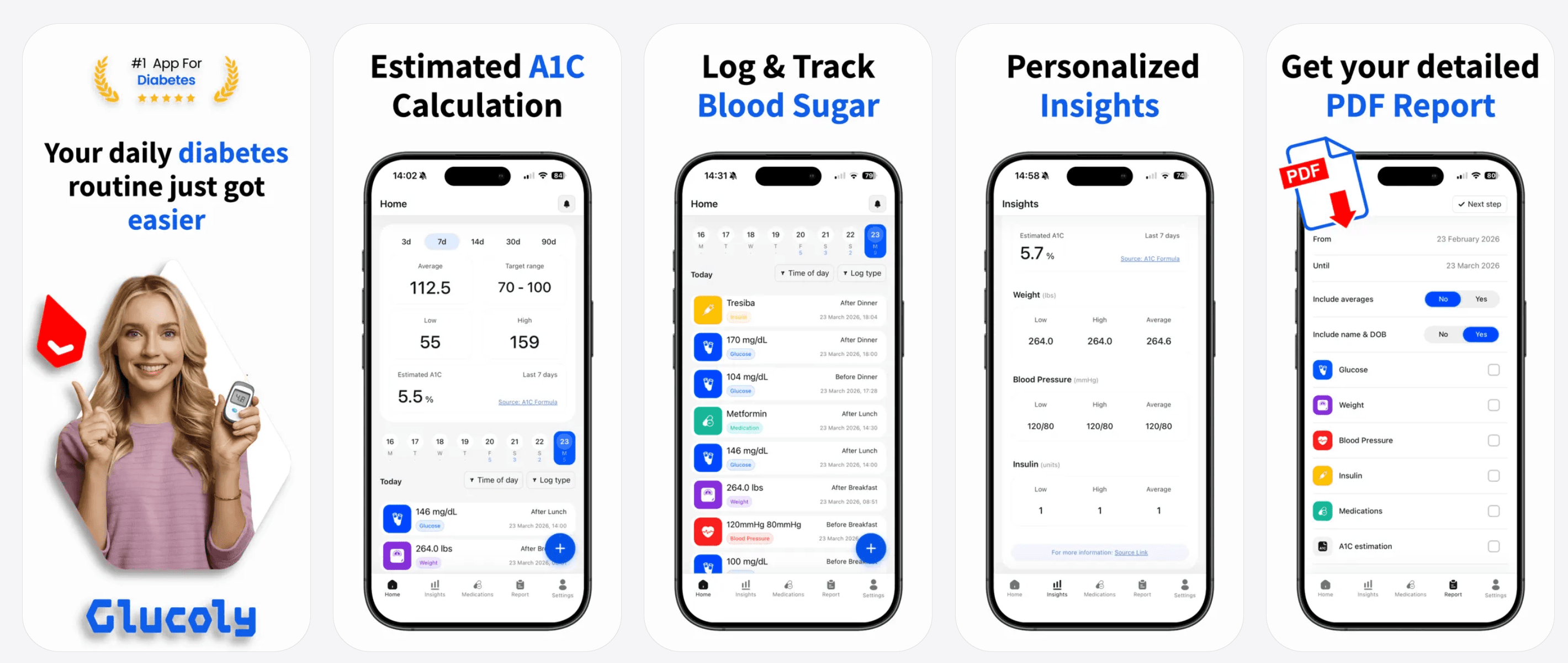
- How Tracking in Glucoly Reveals Your Personal Alcohol-Glucose Pattern
- Can diabetics drink alcohol?
- Does alcohol raise or lower blood sugar?
- What is the safest alcohol for diabetics?
- At a Glance: Alcohol causes a two-phase glucose response - a possible initial rise (from carbs in the drink), then a delayed drop 2–12 hours later.
- The delayed low is the real danger - it often hits overnight and can be confused with intoxication.
- T1D adults face the highest nocturnal hypoglycemia risk after evening drinking.
- ADA guidelines: no more than 1 drink per day for women, 2 for men - and never on an empty stomach.
- Beer is highest in carbs; spirits are lowest - but spirits carry the highest delayed hypo risk.
- Symptoms of low blood sugar and being drunk overlap dangerously: confusion, slurred speech, unsteadiness.
- Eating before and during drinking, checking glucose before bed, and using CGM alerts are the key safety measures.
- Logging before, during, and after drinking in Glucoly reveals your personal alcohol-glucose pattern over time.
How Alcohol Affects Blood Sugar: The Two Competing Effects
When you drink, your liver immediately shifts its priority to metabolizing alcohol - a substance it treats as a toxin. The liver normally maintains blood sugar by breaking down stored glycogen and releasing glucose into the bloodstream. While it is busy processing alcohol, that glucose-releasing function is largely suspended.
This creates the dangerous window. If you take insulin or a sulfonylurea medication, those drugs continue lowering blood sugar. But the liver - your usual backup system - is offline. The result can be a steep drop in glucose anywhere from 2 to 12 hours after drinking, according to research published in Diabetes Care.
At the same time, many alcoholic drinks contain significant carbohydrates. Beer, sweet wine, and cocktails mixed with juice or regular soda will cause an initial glucose rise before the liver's suppression kicks in. This creates a confusing spike-then-crash pattern that is difficult to manage without awareness.
- Immediate effect: carb-containing drinks raise blood sugar within 30–60 minutes of drinking.
- Delayed effect: the liver's glucose output is suppressed for 2–12 hours while it metabolizes alcohol.
- Net risk: the delayed drop is more dangerous than the initial rise - especially overnight.
- Insulin and sulfonylureas keep working even when the liver can't compensate - dramatically raising hypoglycemia risk.
- The more you drink, the longer the liver suppression lasts - larger amounts = longer risk window.
Why Nocturnal Hypoglycemia Is a Special Danger for T1D
For people with Type 1 diabetes, the nocturnal hypoglycemia risk after evening drinking is one of the most serious safety concerns. T1D means there is no endogenous insulin - basal insulin keeps working all night regardless of what you drink. If the liver is also suppressed by alcohol, there is no safety net.
Nocturnal lows are especially dangerous because the normal warning signs - shakiness, sweating, pounding heart - may not wake you. The body's counter-regulatory response is also blunted by alcohol. According to the ADA, some people with T1D experience hypoglycemia unawareness when drinking, meaning they do not feel the warning signs even when awake.
- Basal insulin continues lowering glucose all night - it does not pause because you drank.
- Alcohol blunts the counter-regulatory response (glucagon, adrenaline) that would normally trigger symptoms.
- Hypoglycemia unawareness is more common and more dangerous when alcohol is present.
- The risk window extends to 12 hours after your last drink - meaning a midnight last drink can cause a dangerous low at noon the next day.
- Setting a CGM low alert or 2–3 a.m. alarm is a practical safety measure after evening drinking.
Different Drinks and Their Glucose Impact
Not all alcoholic drinks affect blood sugar equally. The carbohydrate content of the drink determines the initial glucose spike. The amount of alcohol determines the magnitude and duration of delayed liver suppression. Both matter.
- Beer (regular): highest in carbs - a 355 ml (12 oz) can contains roughly 12–15 g of carbohydrate, causing a meaningful initial glucose rise. Light beer has 3–6 g.
- Sweet wine and dessert wine: 5–14 g carbs per 150 ml (5 oz) glass - moderate glucose impact initially.
- Dry wine (red or white): 1–4 g carbs per glass - lowest initial glucose impact among common drinks.
- Spirits (vodka, whisky, gin, rum - neat or with water): essentially 0 g carbs. No initial glucose spike - but highest delayed hypo risk because the alcohol load is concentrated.
- Cocktails and mixed drinks: wildly variable. A margarita or rum and Coke can contain 30–45 g of carbs from syrup, juice, or regular soda.
- Hard seltzers and ciders: typically 3–14 g carbs - check the label, as values vary significantly by brand.
A common misconception is that spirits are safe because they have no carbs. In fact, spirits carry the highest delayed hypoglycemia risk because they deliver a large alcohol load with zero carbohydrates to cushion the glucose drop. Dry wine and spirits without sugary mixers will cause less of an initial spike - but they do not reduce the overnight low risk.
ADA Safe Drinking Guidelines for People with Diabetes
The American Diabetes Association acknowledges that many adults with diabetes choose to drink alcohol. The guidelines focus on harm reduction rather than prohibition. Following them significantly lowers the risk of alcohol-related hypoglycemia.
- Maximum: no more than 1 drink per day for women, no more than 2 drinks per day for men. (1 drink = 355 ml / 12 oz regular beer, 150 ml / 5 oz wine, or 45 ml / 1.5 oz spirits.)
- Never drink on an empty stomach - food slows alcohol absorption and provides glucose to buffer the delayed low.
- Do not skip meals while drinking - skipping meals removes the carbohydrate cushion the body relies on when the liver is suppressed.
- Avoid sweet mixers (juice, regular soda, tonic, sweetened liqueurs) - they add a large carbohydrate load on top of the alcohol.
- Drink slowly and alternate with water - this reduces the total alcohol load per hour and keeps you hydrated.
- Wear or carry diabetes identification when drinking in social settings.
- Consult your healthcare provider before making changes to your treatment plan, including how you manage alcohol.
Hypo vs. Drunk: Dangerously Similar Symptoms
One of the most serious hazards of drinking with diabetes is that the symptoms of hypoglycemia and alcohol intoxication are almost identical. A low blood sugar episode can be dismissed - by the person experiencing it, by friends, or by bystanders - as simply being drunk. Delayed treatment of a real low can be life-threatening.
- Shared symptoms: slurred speech, confusion, unsteadiness, impaired coordination, drowsiness, unusual behavior.
- Symptoms that favor hypoglycemia (not typical intoxication): sweating, trembling, extreme pallor, rapid heart rate.
- The safest assumption when someone with diabetes seems 'too drunk' after modest drinking: check their glucose immediately.
- Glucagon kits and glucose gel are essential to keep accessible - and companions should know how to use them.
- Inform at least one person you are with that you have diabetes and what to do if you seem unwell.
Practical Safety Tips for Drinking with Diabetes
Preparation is the most effective safety strategy. The risks of drinking with diabetes are real but manageable with the right habits in place before, during, and after drinking.
- Eat a balanced meal with carbohydrates, protein, and fat before you start drinking - never drink on an empty stomach.
- Check your glucose before your first drink - do not start if your reading is already low (below 100 mg/dL / 5.6 mmol/L).
- Check glucose again before bed - if it is below 120 mg/dL (6.7 mmol/L), eat a small carbohydrate snack before sleeping.
- Set a 2–3 a.m. alarm to check overnight, or rely on CGM low alerts (Dexcom and Libre data can flow into Glucoly via Apple Health).
- Tell at least one companion that you have diabetes and show them where your glucose meter, gel, or glucagon kit is kept.
- Keep fast-acting glucose (glucose tablets, gel, or juice) on your person or easily accessible all night.
- Reduce insulin doses in consultation with your endocrinologist if you plan to drink - do not make this adjustment alone without guidance.
How Tracking in Glucoly Reveals Your Personal Alcohol-Glucose Pattern
Everyone's glucose response to alcohol is different - influenced by the type and amount of drink, food timing, insulin regimen, and individual metabolism. The only way to understand your specific pattern is to track it consistently across multiple occasions.
Logging your glucose before drinking, again a few hours in, and again the next morning in Glucoly builds a personal data set that generic guidelines cannot replicate. Over three or four occasions, you start to see: Does your glucose spike reliably with beer? How low does it go by morning after spirits? Does eating before drinking flatten the overnight drop?
- Log a pre-drink glucose reading and tag it in Glucoly so it anchors the evening's data.
- Set an evening reminder in Glucoly to check before bed and log that reading.
- If you use a Dexcom or Libre CGM, Apple Health sync pulls the overnight trace directly into Glucoly - no 3 a.m. finger sticks required.
- Use Glucoly's 7-day and 14-day trend windows to compare post-drinking mornings against non-drinking nights - the pattern becomes visible.
- Export a PDF from Glucoly to share your alcohol-glucose data with your endocrinologist - it gives them real evidence to work from when advising you.
This article is for general education and is not medical advice. Consult your healthcare provider before making changes to your treatment plan. Alcohol management in diabetes - particularly for people on insulin or sulfonylureas - should always be discussed with a qualified clinician.
Frequently Asked Questions
Can diabetics drink alcohol?
- Many adults with diabetes can drink alcohol in moderation - the American Diabetes Association does not categorically prohibit it.
- The key risks are delayed hypoglycemia (from liver glucose suppression), hypoglycemia unawareness while drinking, and mistaking a low for intoxication.
- People on insulin or sulfonylureas face the highest risk and should take extra precautions: eating before drinking, checking glucose before bed, and setting overnight alarms.
- Some individuals - particularly those with poorly controlled diabetes, frequent lows, neuropathy, or liver disease - may be advised to avoid alcohol entirely. Discuss your specific situation with your healthcare provider.
Does alcohol raise or lower blood sugar?
- Both - and the timing matters. Carb-containing drinks (beer, sweet wine, cocktails) can raise blood sugar within 30–60 minutes of drinking.
- Then, 2–12 hours later, blood sugar tends to fall because alcohol suppresses the liver's ability to release stored glucose.
- The net effect depends on the type of drink, how much you ate, your medications, and individual metabolism.
- Pure spirits (vodka, whisky, gin - no mixers) cause little or no initial rise but still carry significant delayed hypoglycemia risk because the liver is still suppressed.
What is the safest alcohol for diabetics?
- No alcohol is entirely risk-free for people with diabetes - all alcohol suppresses the liver's glucose-releasing function and increases delayed hypoglycemia risk.
- Dry wine (red or white) and spirits mixed with water or sugar-free mixers have the least carbohydrate content and cause the smallest initial glucose spike.
- Beer - especially regular beer - has the highest carbohydrate content and will cause the largest initial blood sugar rise.
- Regardless of drink type, the ADA's advice is the same: eat before drinking, never exceed moderate amounts, check glucose before bed, and discuss alcohol management with your healthcare provider.
Sources
- American Diabetes Association. Alcohol and Diabetes. diabetes.org/health-wellness
- American Diabetes Association. Standards of Medical Care in Diabetes 2024. diabetes.org
- Centers for Disease Control and Prevention. Diabetes and Alcohol. cdc.gov/diabetes
Log your glucose before, during, and after drinking in Glucoly to discover your personal alcohol-glucose pattern - and share it with your care team. Free on the App Store and Google Play.
Download GlucolyShare this article
Related Posts
What Is LADA (Type 1.5 Diabetes)? Symptoms and How It Differs from Type 1 and Type 2
LADA (type 1.5 diabetes) is autoimmune diabetes that develops slowly in adults, often misdiagnosed as type 2.…
Read more →EducationDiabetic Retinopathy: How Diabetes Affects Your Eyes (and How to Protect Them)
Diabetic retinopathy is the leading cause of blindness in adults — largely preventable. Learn the stages, symp…
Read more →EducationWhat Is Diabetic Ketoacidosis (DKA)? Warning Signs You Must Know
DKA is a life-threatening diabetes emergency. Know the warning signs — fruity breath, vomiting, confusion — an…
Read more →