Blood sugar, weight, BMI, medication and activity are more than numbers - they're the indicators that drive better diabetes control. Here's why each matters.
Understanding the Importance of Health Metrics
In diabetes management, health metrics are more than just numbers; they are critical indicators of how well the disease is being controlled. Monitoring metrics like blood sugar levels, weight, BMI, and physical activity provides a comprehensive view of your health status. These metrics allow individuals and healthcare providers to track progress, identify trends, and make informed decisions about treatment plans.
In this article
- Understanding the Importance of Health Metrics
- How Blood Sugar Tracking Provides Insights for Better Control
- The Role of Weight and BMI Monitoring
- Why Keeping a Medication Log is Essential
- Integrating Physical Activity Data
- Leveraging Glucoly for Holistic Diabetes Management
- Final Thoughts: Harnessing the Power of Data
By regularly monitoring and analyzing these data points, individuals can gain insights into how lifestyle choices, medications, and other factors influence their diabetes management. This proactive approach helps in anticipating issues before they become serious, allowing for timely interventions.
How Blood Sugar Tracking Provides Insights for Better Control
Regularly monitoring blood sugar levels allows individuals to observe how different factors, such as diet, exercise, and stress, impact their glucose levels. For instance, tracking can reveal patterns like post-meal spikes or nocturnal hypoglycemia, which might otherwise go unnoticed. These insights enable more precise adjustments to lifestyle and treatment plans, such as modifying insulin doses or altering meal timing.
The Role of Weight and BMI Monitoring
Maintaining a healthy weight is vital for controlling blood sugar levels, especially for those with Type 2 diabetes, where excess weight can exacerbate insulin resistance. Regular monitoring of weight and BMI allows individuals to track their progress and make necessary adjustments to their diet and exercise routines. Even modest weight loss can significantly improve blood sugar control and reduce the need for medication.
Why Keeping a Medication Log is Essential
A detailed medication log helps track what medications are taken, when they are administered, and in what dosage. By recording this information, individuals can ensure they are following their prescribed treatment plan accurately, avoiding missed doses or accidental double-dosing. It also provides valuable data for healthcare providers to assess the effectiveness of the current regimen.
Integrating Physical Activity Data
Regular physical activity helps lower blood sugar levels by increasing insulin sensitivity and promoting glucose uptake by muscles. By monitoring physical activity data, individuals can see how different types and intensities of exercise impact their blood sugar control, allowing for better planning and optimization of workout schedules.
Leveraging Glucoly for Holistic Diabetes Management
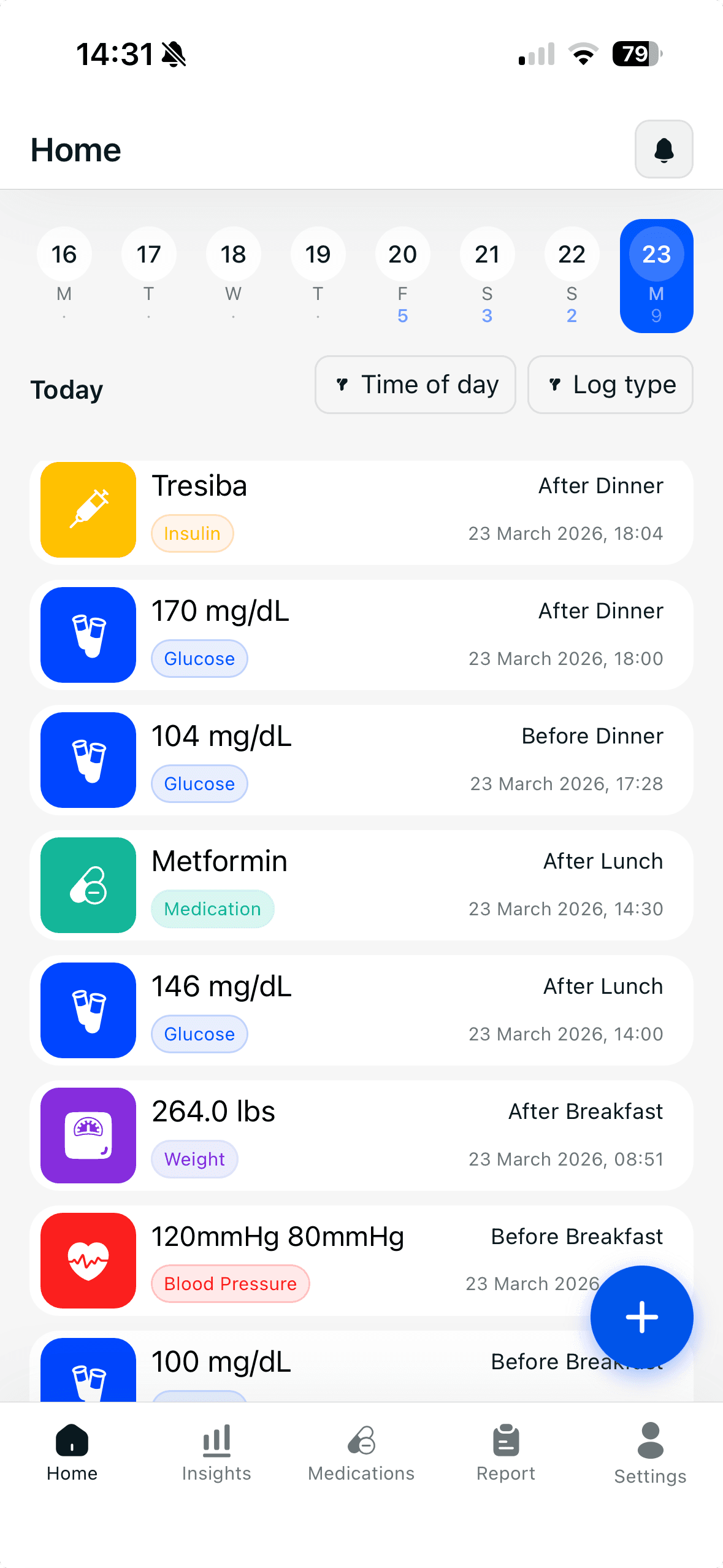
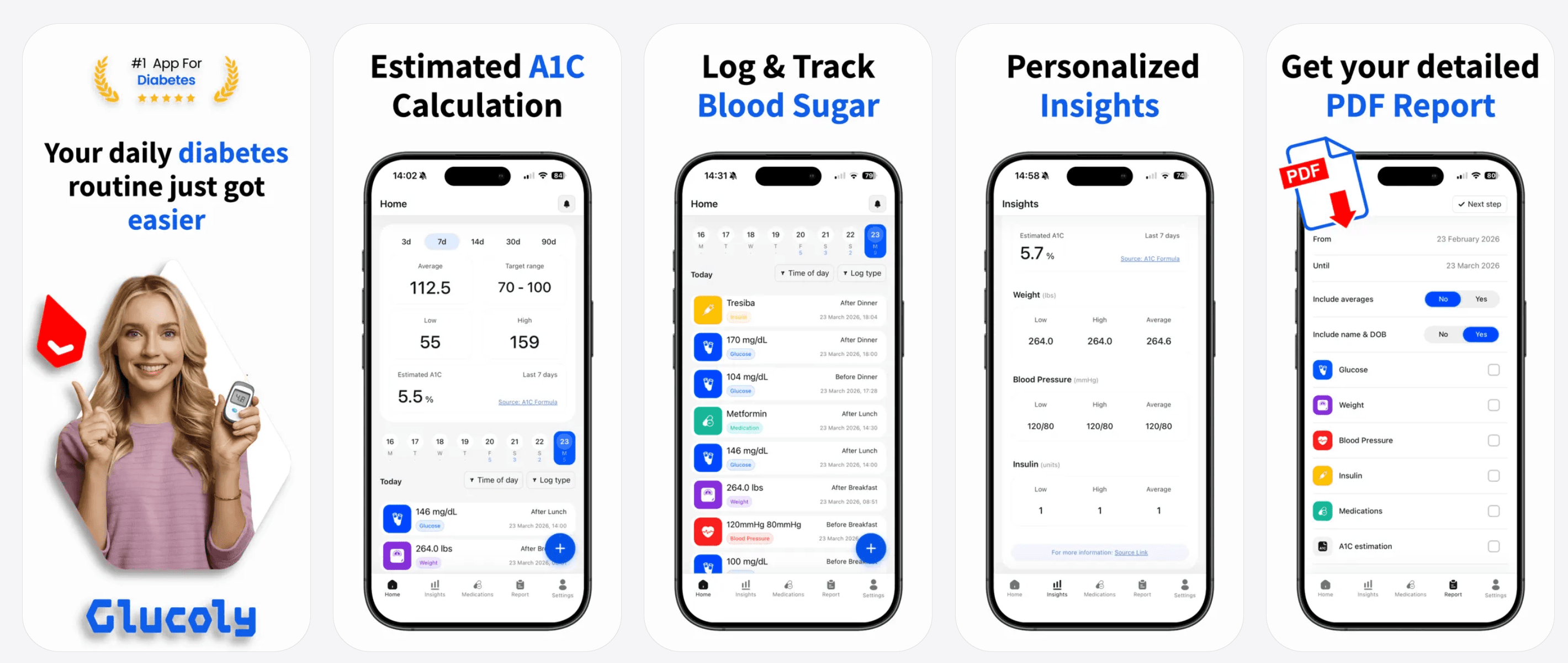
Glucoly allows users to seamlessly track various health metrics, including blood sugar levels, weight, physical activity, and medication, all in one place. Customizable reminders ensure users never miss a reading or a dose, while data analytics provide insights into trends and patterns over time. Glucoly also facilitates easy sharing of health data with healthcare providers, enabling more personalized and timely care.
Final Thoughts: Harnessing the Power of Data
Consistent tracking of health metrics like blood sugar levels, weight, physical activity, and medication adherence is crucial. By leveraging data, individuals gain valuable insights into how their lifestyle choices impact their condition, enabling more informed and proactive management. Embracing data-driven diabetes management empowers individuals to maintain better control over their health.
Sources
- American Diabetes Association. Standards of Medical Care in Diabetes 2024. diabetes.org
- Centers for Disease Control and Prevention. National Diabetes Statistics Report 2024. cdc.gov/diabetes
Download Glucoly today on the App Store and Google Play to bring every metric that matters into one place.
Download GlucolyShare this article
Related Posts
What Is LADA (Type 1.5 Diabetes)? Symptoms and How It Differs from Type 1 and Type 2
LADA (type 1.5 diabetes) is autoimmune diabetes that develops slowly in adults, often misdiagnosed as type 2.…
Read more →EducationDiabetic Retinopathy: How Diabetes Affects Your Eyes (and How to Protect Them)
Diabetic retinopathy is the leading cause of blindness in adults — largely preventable. Learn the stages, symp…
Read more →EducationWhat Is Diabetic Ketoacidosis (DKA)? Warning Signs You Must Know
DKA is a life-threatening diabetes emergency. Know the warning signs — fruity breath, vomiting, confusion — an…
Read more →