Metformin is the first-line type 2 diabetes medication. Learn how it works, common side effects, dosage tips, and what to expect in the first weeks.
Metformin is the most commonly prescribed first-line medication for type 2 diabetes. It works by reducing glucose production in the liver and improving the body's response to insulin. It does not cause weight gain and has a strong safety record spanning decades. Most side effects are gastrointestinal and can be minimised by taking it with food and starting with a low dose.
In this article
- How Metformin Works
- Metformin Dosage and How to Take It
- Metformin Side Effects
- Who Should Not Take Metformin?
- Metformin and Weight Loss
- Metformin and Blood Sugar Monitoring
- Metformin vs Other Diabetes Medications
- Tips for Taking Metformin
- How long does metformin take to work?
- Can metformin be stopped once blood sugar is controlled?
- Does metformin protect against heart disease?
At a Glance
- Metformin is the first-line medication for type 2 diabetes recommended by the ADA, NICE, and WHO
- It lowers A1C by approximately 1.0–1.5% on average
- It reduces the liver's glucose production and improves the body's sensitivity to insulin
- It does not cause hypoglycemia on its own (unlike insulin or sulfonylureas)
- Most common side effects are nausea, diarrhoea, and stomach upset — usually temporary
- Taking it with meals significantly reduces gastrointestinal side effects
How Metformin Works
Metformin belongs to the biguanide class of medications. Rather than stimulating the pancreas to produce more insulin, it targets the way the body handles glucose through several complementary mechanisms. This makes it uniquely effective and safe as a foundation for type 2 diabetes treatment.
- Reduces hepatic glucose production: the liver releases stored glucose (glycogen) into the blood between meals; metformin suppresses this process, lowering fasting blood sugar
- Improves insulin sensitivity: helps muscle and fat cells respond better to insulin, allowing more glucose to enter cells
- Slows intestinal glucose absorption: slightly reduces the rate at which carbohydrates are absorbed from the gut
- Activates AMPK: metformin activates an enzyme called AMPK (AMP-activated protein kinase), which plays a key role in cellular energy balance
- Does not increase insulin secretion: unlike sulfonylureas, it does not force the pancreas to produce more insulin
Metformin Dosage and How to Take It
Dosing is always individualised — always follow your doctor's specific instructions. The general approach is to start low and increase the dose gradually to minimise side effects while achieving good blood sugar control.
- Starting dose: typically 500 mg once or twice daily with meals
- Titration: dose is usually increased by 500 mg every 1–2 weeks to reduce side effects
- Maximum dose: 2,000–2,550 mg per day (divided into 2–3 doses with meals)
- Extended-release (ER/XR) tablets: taken once daily with the evening meal; cause fewer GI side effects than immediate-release
- Always take with food — this is the single most effective way to reduce nausea and stomach upset
- Never crush extended-release tablets — swallow whole
Metformin Side Effects
Most side effects are temporary and improve after the first few weeks of treatment. Starting at a low dose and increasing gradually is the most reliable way to minimise discomfort early on.
- Nausea and stomach upset (most common): affects 20–30% of patients, especially at the start
- Diarrhoea: can occur early in treatment; taking with food usually helps
- Metallic taste in the mouth: less common, usually fades over time
- Vitamin B12 deficiency: long-term use reduces B12 absorption; ask your doctor about annual B12 monitoring
- Lactic acidosis: extremely rare (fewer than 1 in 100,000 patients per year), but serious; risk increases with severe kidney disease or liver disease
- What does NOT happen: metformin does not cause weight gain, low blood sugar (on its own), or increased risk of heart disease
Who Should Not Take Metformin?
Metformin is safe for the vast majority of people with type 2 diabetes, but there are specific situations where it should be used with caution or avoided entirely. Your doctor will check kidney function before prescribing and periodically while you are on the medication.
- Severe kidney disease (eGFR below 30 mL/min): metformin can accumulate and raise lactic acidosis risk
- Liver disease: impaired liver function increases the same risk
- Before contrast dye imaging procedures (e.g. CT scan with contrast): usually withheld 48 hours before and after
- Heavy alcohol use: alcohol combined with metformin raises lactic acidosis risk
- Type 1 diabetes: metformin is not approved as a standalone treatment (though sometimes used as an adjunct)
- Pregnancy: discuss with your doctor; some guidelines support its use in gestational diabetes, others prefer insulin
Metformin and Weight Loss
Metformin is often described as weight-neutral — most people neither gain nor lose significant weight. However, some studies have shown modest weight loss of 1–3 kg over time, particularly in people who are insulin resistant. It may help with appetite regulation indirectly by improving insulin sensitivity. It is not a weight loss drug and should not be taken for this purpose alone. Some people combine metformin with dietary strategies such as intermittent fasting for additional metabolic benefits — always discuss major dietary changes with your diabetes team first.
Metformin and Blood Sugar Monitoring
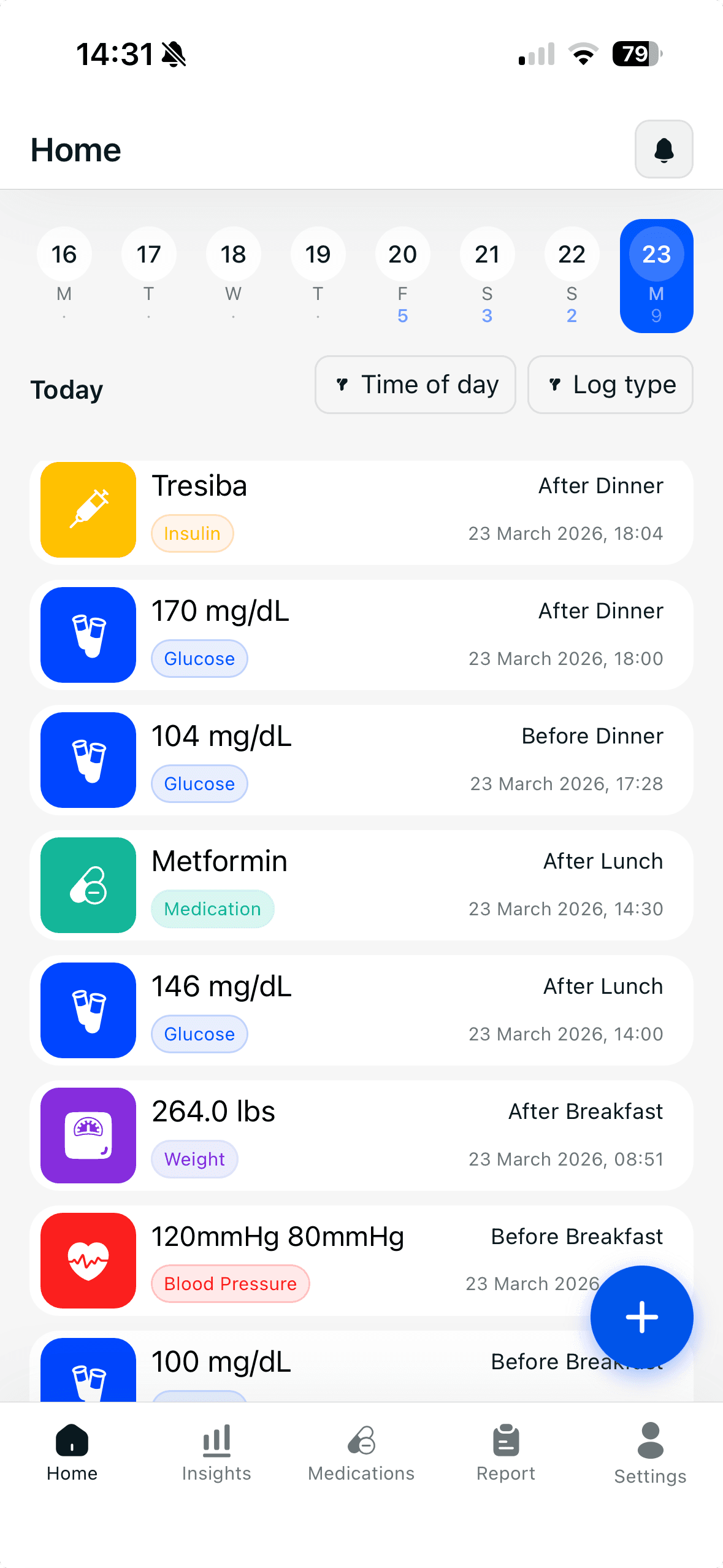
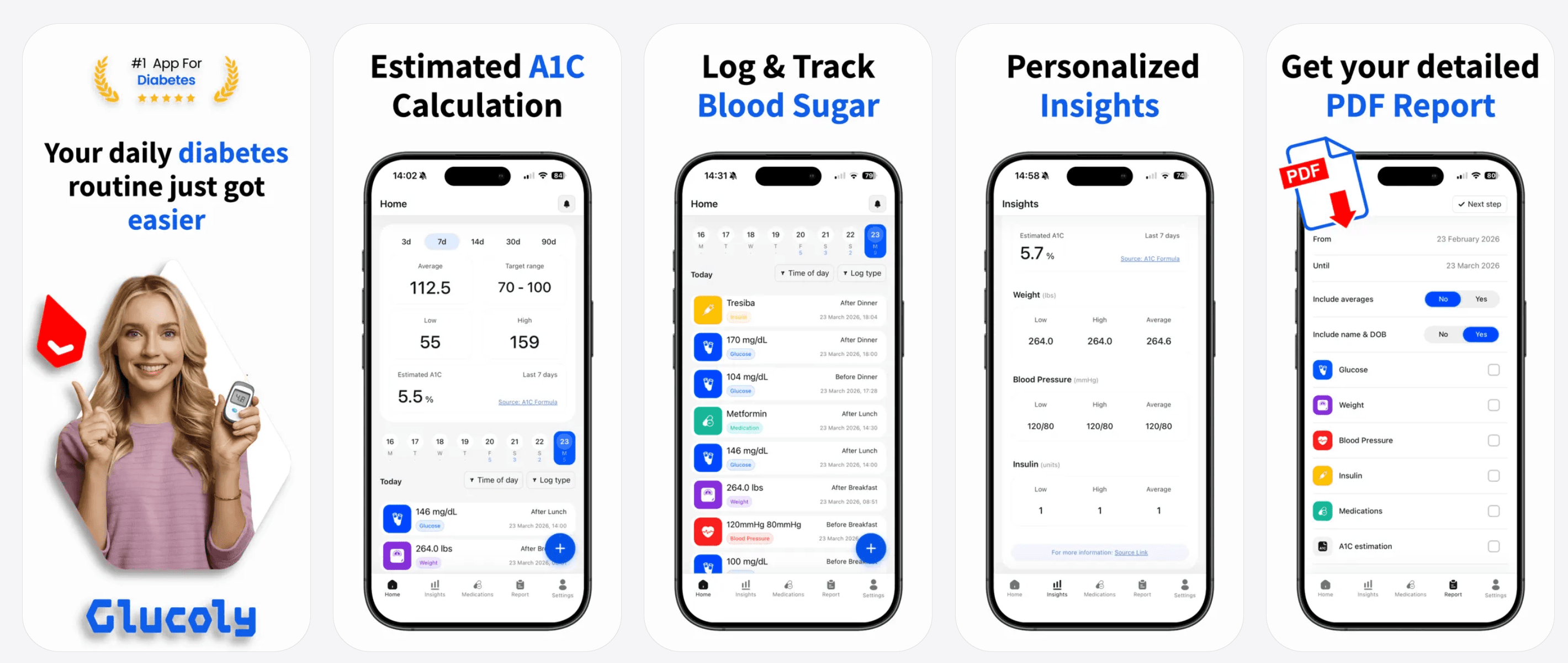
Even on metformin, regular blood sugar monitoring helps you understand how the medication is working alongside your diet and lifestyle. Blood sugar typically improves within the first 1–2 weeks of treatment. A1C should be checked every 3 months when starting, and every 6 months once stable. Tracking readings with an app like Glucoly helps you spot patterns and share data with your doctor.
Metformin vs Other Diabetes Medications
- Metformin vs Sulfonylureas (e.g. glipizide, glyburide): sulfonylureas force insulin release and can cause hypoglycemia; metformin does not
- Metformin vs SGLT2 inhibitors (e.g. empagliflozin, dapagliflozin): SGLT2 inhibitors lower blood sugar by excreting glucose in urine and have cardiovascular benefits; often added to metformin rather than replacing it
- Metformin vs GLP-1 agonists (e.g. Ozempic/semaglutide): GLP-1 agonists cause more weight loss; also often added to metformin
- Metformin vs DPP-4 inhibitors (e.g. sitagliptin): DPP-4 inhibitors have fewer side effects but are less potent; sometimes used when metformin is not tolerated
- Metformin is often continued even when additional medications are added, because its mechanism is complementary
Tips for Taking Metformin
- Always take with a meal — not just "with food" — with a full meal, not a snack
- Start low and increase slowly — do not jump to full dose immediately
- If GI side effects persist beyond 4 weeks, ask your doctor about switching to extended-release tablets
- Do not skip doses — consistency matters for stable blood sugar control
- Tell your doctor before any procedure requiring contrast dye (CT, MRI with contrast)
- Get your B12 level checked annually if you have been on metformin for more than 4 years
- Alcohol: limit alcohol intake — it can amplify metformin side effects and cause hypoglycemia when combined with other medications
Frequently Asked Questions
How long does metformin take to work?
Metformin begins lowering blood sugar within the first 1–2 weeks of treatment. Fasting blood sugar typically improves first. A meaningful reduction in A1C (a 3-month average) takes 3 months to measure, but the medication is working throughout. Full benefits are usually seen at the maximum tolerated dose after several months.
Can metformin be stopped once blood sugar is controlled?
Metformin is usually a long-term medication. If blood sugar control improves substantially through weight loss and lifestyle changes, your doctor may reduce your dose or discuss discontinuation. Do not stop taking metformin without consulting your doctor — blood sugar can rise quickly when medication is discontinued.
Does metformin protect against heart disease?
There is strong evidence, including from the landmark UKPDS trial, that metformin reduces cardiovascular events in overweight people with type 2 diabetes. It is considered cardiovascular-neutral to potentially beneficial. Some guidelines recommend it specifically for people with diabetes who have heart disease risk factors. Newer medications like SGLT2 inhibitors and GLP-1 agonists such as Ozempic have more robust cardiovascular outcome trial data, but metformin remains a foundational therapy.
See how metformin is working by logging your readings in Glucoly — free to download with unlimited logging, plus Glucoly Premium for estimated A1C and detailed reports.
Download GlucolySources
- American Diabetes Association (ADA) — diabetes.org
- NHS — nhs.uk
- U.S. Food and Drug Administration (FDA) — fda.gov
- National Institute of Diabetes and Digestive and Kidney Diseases (NIDDK) — niddk.nih.gov
Share this article
Related Posts
What Is LADA (Type 1.5 Diabetes)? Symptoms and How It Differs from Type 1 and Type 2
LADA (type 1.5 diabetes) is autoimmune diabetes that develops slowly in adults, often misdiagnosed as type 2.…
Read more →EducationDiabetic Retinopathy: How Diabetes Affects Your Eyes (and How to Protect Them)
Diabetic retinopathy is the leading cause of blindness in adults — largely preventable. Learn the stages, symp…
Read more →EducationWhat Is Diabetic Ketoacidosis (DKA)? Warning Signs You Must Know
DKA is a life-threatening diabetes emergency. Know the warning signs — fruity breath, vomiting, confusion — an…
Read more →