Gestational diabetes affects 6–9% of pregnancies. Learn the blood sugar targets, what causes it, how to manage it, and how to track glucose during pregnancy.
With gestational diabetes, normal blood sugar targets during pregnancy are stricter than general diabetes goals. According to the American Diabetes Association, the recommended levels are: fasting (before breakfast) below 95 mg/dL (5.3 mmol/L), one hour after meals below 140 mg/dL (7.8 mmol/L), and two hours after meals below 120 mg/dL (6.7 mmol/L). Keeping readings within these tighter ranges protects both you and your baby during the critical months of fetal development.
In this article
- What Is Gestational Diabetes and How Common Is It?
- How Gestational Diabetes Is Diagnosed
- Why Tight Blood Sugar Control During Pregnancy Matters
- Blood Sugar Targets During Pregnancy: The Numbers You Need
- Managing Gestational Diabetes: Diet First
- Foods That Help Keep Glucose Stable During Pregnancy
- When Insulin Is Needed
- How to Track Blood Sugar Effectively During Pregnancy
- What Happens to Blood Sugar After Birth
- Does gestational diabetes go away after birth?
- What blood sugar level is too high during pregnancy?
- Can gestational diabetes harm my baby?
- At a Glance: Gestational diabetes (GD) affects 6–9% of all pregnancies, according to the American Diabetes Association.
- Blood sugar targets are stricter during pregnancy than standard diabetes goals - fasting below 95 mg/dL (5.3 mmol/L), 1-hour post-meal below 140 mg/dL (7.8 mmol/L), 2-hour post-meal below 120 mg/dL (6.7 mmol/L).
- GD is diagnosed between weeks 24 and 28 with a glucose challenge test, followed by an OGTT if results are elevated.
- Diet and lifestyle changes - especially low-GI eating and meal timing - are the first line of management.
- Most people with GD do not need insulin, but it is the preferred medication when diet alone isn't enough.
- GD usually resolves after birth, but 50% of women with GD develop Type 2 diabetes within 10 years.
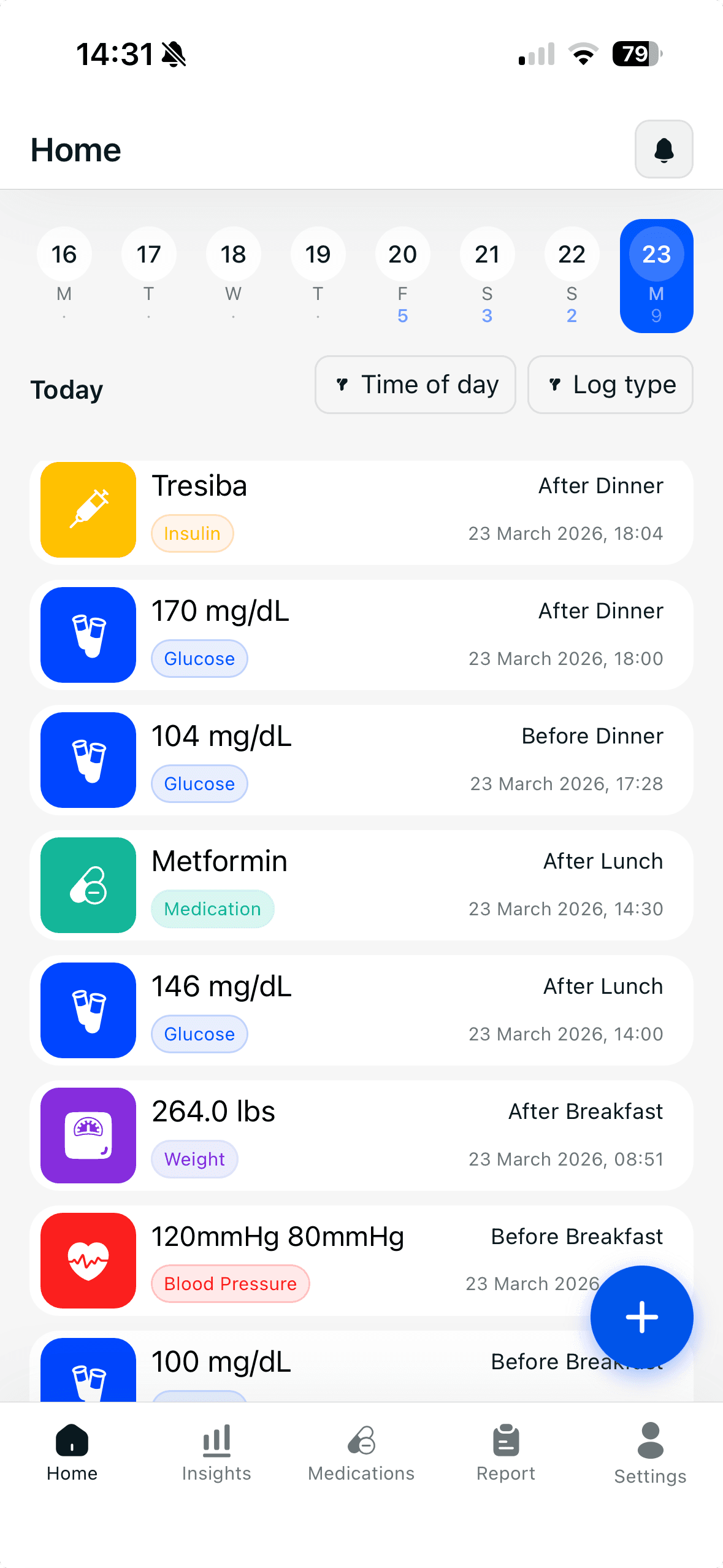
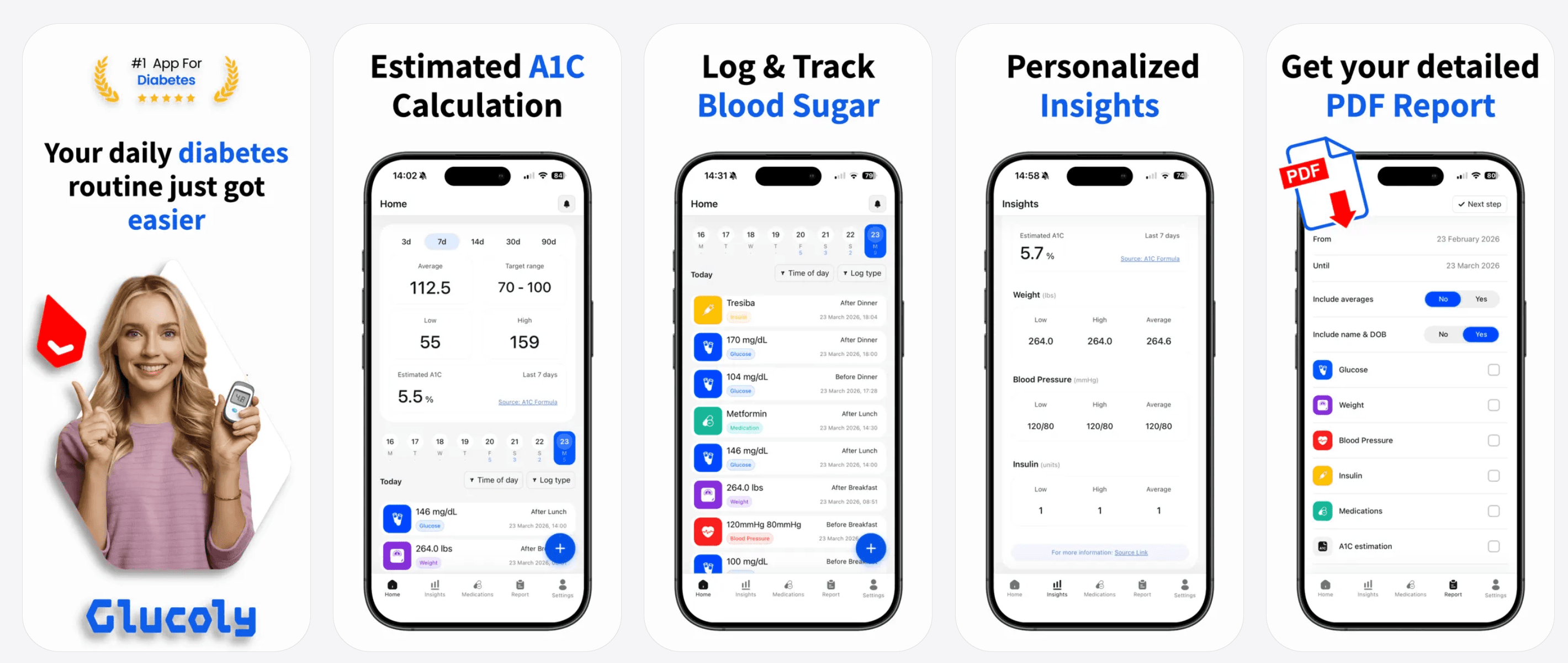
- Logging before-meal and after-meal readings every day is essential - Glucoly's meal tagging and trend windows make this manageable.
What Is Gestational Diabetes and How Common Is It?
Gestational diabetes mellitus (GDM) is a form of high blood sugar that develops during pregnancy in women who did not have diabetes before. It occurs because pregnancy hormones - particularly human placental lactogen - interfere with insulin's ability to move glucose into cells, creating a state of insulin resistance. Most pregnant women compensate by producing more insulin, but some cannot keep up with the demand.
According to the American Diabetes Association, gestational diabetes affects between 6 and 9 percent of all pregnancies in the United States - roughly 200,000 to 300,000 cases per year. Rates are higher among women who are overweight or obese, have a family history of diabetes, are over age 25, or belong to certain ethnic groups including Hispanic, Black, Asian, and Pacific Islander populations.
- Affects 6–9% of pregnancies in the US - one of the most common pregnancy complications.
- Caused by pregnancy hormones creating insulin resistance, not by anything the mother did wrong.
- Risk factors: BMI above 25 before pregnancy, prior GD, family history of Type 2 diabetes, age over 25, polycystic ovary syndrome (PCOS).
- GD can occur even in women with no known risk factors - screening is recommended for everyone.
How Gestational Diabetes Is Diagnosed
Standard screening happens between weeks 24 and 28 of pregnancy, when placental hormones are at their peak. If you have significant risk factors, your provider may screen earlier. The two-step process is the most common approach in the United States.
The first step is a glucose challenge test (GCT): you drink a 50-gram glucose solution and have your blood drawn one hour later - no fasting required. If your result is 130–140 mg/dL (7.2–7.8 mmol/L) or above (the threshold varies by practice), you move on to the full oral glucose tolerance test (OGTT).
- Glucose Challenge Test (GCT): 50 g glucose drink, blood draw 1 hour later. Positive screen (not a diagnosis) if result exceeds the lab's threshold, typically 130–140 mg/dL (7.2–7.8 mmol/L).
- Oral Glucose Tolerance Test (OGTT): done fasting, with a 100 g glucose drink and blood draws at fasting, 1 hour, 2 hours, and 3 hours.
- GD is diagnosed if two or more OGTT values meet or exceed: fasting 95 mg/dL (5.3 mmol/L), 1-hour 180 mg/dL (10.0 mmol/L), 2-hour 155 mg/dL (8.6 mmol/L), 3-hour 140 mg/dL (7.8 mmol/L).
- Some providers use a one-step 75 g OGTT, per the International Association of Diabetes and Pregnancy Study Groups (IADPSG) criteria.
- After diagnosis, your care team will set you up with a home glucometer and a testing schedule.
Why Tight Blood Sugar Control During Pregnancy Matters
Elevated blood sugar during pregnancy crosses the placenta and reaches the baby. The baby's pancreas responds by producing extra insulin to handle the glucose, which drives rapid fat storage. This is why the risks of poorly controlled GD are significant - and why the blood sugar targets during pregnancy are tighter than standard diabetes guidelines.
According to research published in the New England Journal of Medicine and endorsed by the American Diabetes Association, controlling blood sugar in GD substantially reduces complication risks for both mother and baby. The goal is not just to avoid extreme highs - even moderately elevated readings, sustained over weeks, increase risk.
- Macrosomia (large baby): excess glucose causes accelerated fetal growth; babies over 9 lbs are at higher risk for birth injuries and difficult delivery.
- Neonatal hypoglycemia: after birth, the baby's insulin production stays high while glucose supply from the placenta stops - causing blood sugar to drop dangerously low in the newborn.
- Preeclampsia: GD significantly raises the mother's risk of high blood pressure and protein in the urine during pregnancy.
- C-section: macrosomic babies are more likely to require cesarean delivery.
- Preterm birth: elevated glucose increases the risk of early delivery.
- Long-term for baby: children born to mothers with GD have higher lifetime risk of obesity and Type 2 diabetes.
Blood Sugar Targets During Pregnancy: The Numbers You Need
The American Diabetes Association's targets for gestational diabetes are stricter than the general diabetes guidelines - because even modestly elevated glucose can affect fetal development. Your care team may set slightly different personal targets, but these ADA benchmarks are the standard most providers follow.
- Fasting (before breakfast, after at least 8 hours without food): below 95 mg/dL (5.3 mmol/L).
- 1 hour after the start of a meal: below 140 mg/dL (7.8 mmol/L).
- 2 hours after the start of a meal: below 120 mg/dL (6.7 mmol/L).
- These targets are tighter than the general ADA pre-meal target of 80–130 mg/dL (4.4–7.2 mmol/L) used in non-pregnant adults.
- Most providers have you check fasting every morning and after every meal - four or more readings per day.
- If your readings are consistently near or above target, contact your care team promptly - do not wait for your next scheduled appointment.
Managing Gestational Diabetes: Diet First
Medical nutrition therapy - adjusting what, how much, and when you eat - is the foundation of GD management. Most women can control their blood sugar with diet alone, particularly in the first weeks after diagnosis. A registered dietitian who specializes in diabetes in pregnancy is the most valuable resource you can have.
The core principle is choosing foods that raise blood sugar gradually rather than sharply. Low glycemic index (GI) carbohydrates release glucose slowly, giving your insulin system a better chance to keep up. Pairing carbohydrates with protein or healthy fat at every meal and snack further slows absorption and blunts the post-meal spike.
- Choose low-GI carbohydrates: legumes (lentils, chickpeas, black beans), non-starchy vegetables, whole grain bread, steel-cut oats, quinoa, most fruits.
- Avoid fast-digesting carbohydrates: fruit juice, white bread, white rice, sugary cereals, pastries, soft drinks, candy.
- Eat consistent, smaller meals: three meals and two to three planned snacks daily - skipping meals can cause fasting levels to rise as the liver releases stored glucose.
- Always pair carbs with protein or fat: e.g., apple with almond butter, whole-grain crackers with cheese, eggs with whole-wheat toast.
- Watch breakfast carbs especially: morning insulin resistance is highest - many women find their fasting and post-breakfast readings are the hardest to control.
- Spread carbohydrates evenly across meals rather than loading them at one sitting.
- Stay hydrated with water - sugary drinks, juice, and sweetened teas count as carbohydrates.
Foods That Help Keep Glucose Stable During Pregnancy
Certain foods are particularly helpful for keeping blood sugar steady during pregnancy because of their fiber content, protein profile, or low glycemic index. Building your meals around these options gives you the most flexibility while staying within your targets.
- Eggs: high protein, essentially zero carbohydrates, versatile - a reliable breakfast anchor that keeps fasting readings stable.
- Legumes (lentils, chickpeas, kidney beans): high fiber and protein, very low GI, slow glucose release - excellent for lunch and dinner.
- Non-starchy vegetables: broccoli, spinach, cauliflower, zucchini, green beans, cucumber - eat freely, they contribute very little glucose.
- Whole milk and plain Greek yogurt: contain protein and fat that slow carbohydrate absorption; good snack options.
- Nuts and nut butters: healthy fats and protein with minimal carb impact - almond butter on whole-grain crackers is a stable snack.
- Berries: lower-sugar fruit option with fiber; smaller portions (1/2 cup) cause a gentler rise than tropical fruits or grapes.
- Salmon and other fatty fish: no carbohydrates, rich in omega-3 fatty acids that support fetal brain development.
- Whole grain bread or sourdough: lower GI than white bread; pair with protein to further blunt the glucose rise.
When Insulin Is Needed
If diet and exercise alone cannot keep readings within target after one to two weeks of consistent effort, insulin is typically recommended. Insulin is safe during pregnancy - it does not cross the placenta and has a decades-long safety record in GD management. Most oral diabetes medications are not routinely used during pregnancy in the United States because long-term safety data in human pregnancy is limited.
- Insulin is the preferred medication when glucose targets are not met with diet alone.
- Starting insulin is not a failure - it simply means your pregnancy hormones are creating more resistance than diet can overcome.
- Metformin is used in some practices internationally, but the American Diabetes Association notes it crosses the placenta, and long-term pediatric data are still emerging; discuss options with your OB or MFM specialist.
- Insulin doses are adjusted throughout pregnancy as insulin resistance typically increases with gestational age.
- Consult your healthcare provider before making changes to your treatment plan.
How to Track Blood Sugar Effectively During Pregnancy
Consistent tracking is the most important thing you can do once GD is diagnosed. Your care team needs to see a pattern of readings - not just the good ones - to know whether your current management is working or whether insulin is needed. Missing readings or logging inconsistently makes it impossible to make confident treatment decisions.
Most GD protocols require checking fasting glucose every morning and one or two hours after the start of every meal - typically four readings per day at minimum. Over weeks, that adds up to hundreds of data points. The key is making the habit easy enough that you actually do it.
- Check fasting glucose first thing every morning, before eating or drinking anything except water.
- Check one or two hours after the start of every meal - set a phone timer immediately after you begin eating so you don't forget.
- Tag every reading in Glucoly as before-meal or after-meal so the data is organized and meaningful rather than a raw list of numbers.
- Use Glucoly's 7-day and 14-day trend windows to see whether your readings are consistently within target or creeping up - patterns that are invisible in daily readings become clear over two weeks.
- Bring your complete log to every OB appointment. Glucoly's PDF export lets you hand your provider a clear, date-stamped report covering any time window they want - no transcribing numbers by hand.
- If you see a pattern of readings above target - even one or two per day - contact your care team before your next scheduled visit.
What Happens to Blood Sugar After Birth
For most women, gestational diabetes resolves within hours to days of delivery, once the placenta - and its insulin-blocking hormones - is gone. Your blood sugar will likely return to normal on its own. However, the ADA recommends a 75 g OGTT at 4–12 weeks postpartum to confirm your glucose has fully normalized.
The longer-term picture is more sobering. Research published in *Diabetes Care* shows that approximately 50% of women who had gestational diabetes develop Type 2 diabetes within 10 years of delivery. The risk is highest for women who needed insulin during pregnancy, had GD earlier in pregnancy, or were overweight before pregnancy.
- GD usually resolves immediately after birth - but confirm with a postpartum glucose test at 4–12 weeks.
- The ADA recommends ongoing screening for Type 2 diabetes every 1–3 years for all women with a history of GD.
- Breastfeeding reduces insulin resistance and lowers the long-term risk of developing Type 2 diabetes.
- Maintaining a healthy weight and staying physically active after pregnancy are the most powerful lifestyle levers for preventing future T2D.
- Consider continuing to log your glucose periodically - even after GD resolves - to catch any rise in fasting levels early.
- Talk to your provider about having your A1C or fasting glucose checked annually as a precaution.
This article is for general education and is not medical advice. Consult your healthcare provider before making changes to your treatment plan. Blood sugar targets and medication decisions during pregnancy must be made in partnership with your OB, maternal-fetal medicine specialist, or certified diabetes care and education specialist.
Frequently Asked Questions
Does gestational diabetes go away after birth?
- Yes - for most women, gestational diabetes resolves within hours to days of delivery, once the placenta is no longer producing insulin-blocking hormones.
- Your care team will check your blood sugar before you leave the hospital and again at a postpartum visit 4–12 weeks after delivery to confirm your glucose is back to normal.
- However, having GD significantly raises your lifetime risk of Type 2 diabetes - about 50% of women with GD develop T2D within 10 years.
- Annual glucose screening after a GD pregnancy is strongly recommended by the American Diabetes Association.
What blood sugar level is too high during pregnancy?
- Per the American Diabetes Association, blood sugar is considered too high during pregnancy if your fasting reading is 95 mg/dL (5.3 mmol/L) or above, your 1-hour post-meal reading is 140 mg/dL (7.8 mmol/L) or above, or your 2-hour post-meal reading is 120 mg/dL (6.7 mmol/L) or above.
- These thresholds are stricter than the general diabetes guidelines for non-pregnant adults.
- Readings that consistently meet or exceed these numbers are a signal to contact your care team - they may recommend adjusting your meal plan or starting insulin.
- A single high reading after an unusually large or high-carb meal is less concerning than a recurring pattern.
Can gestational diabetes harm my baby?
- Uncontrolled gestational diabetes can cause significant complications for the baby, including macrosomia (a baby that grows too large, above 9 lbs), which raises the risk of birth injuries and C-section.
- Newborns of mothers with poorly controlled GD are at risk of hypoglycemia (very low blood sugar) immediately after birth, because the baby's insulin production stays elevated after the glucose supply from the placenta stops.
- Other risks include preterm birth, breathing difficulties (respiratory distress syndrome), and higher lifetime risk of obesity and Type 2 diabetes for the child.
- The good news: with proper management and blood sugar kept within target, the risk of all these complications is substantially reduced. Most women with well-managed GD deliver healthy babies.
Sources
- American Diabetes Association. Standards of Medical Care in Diabetes 2024. diabetes.org
- Centers for Disease Control and Prevention. Gestational Diabetes. cdc.gov/diabetes
Track your fasting and post-meal glucose every day with Glucoly - meal tagging, trend windows, and a PDF export for your OB appointments. Free on the App Store and Google Play.
Download GlucolyShare this article
Related Posts
What Is LADA (Type 1.5 Diabetes)? Symptoms and How It Differs from Type 1 and Type 2
LADA (type 1.5 diabetes) is autoimmune diabetes that develops slowly in adults, often misdiagnosed as type 2.…
Read more →EducationDiabetic Retinopathy: How Diabetes Affects Your Eyes (and How to Protect Them)
Diabetic retinopathy is the leading cause of blindness in adults — largely preventable. Learn the stages, symp…
Read more →EducationWhat Is Diabetic Ketoacidosis (DKA)? Warning Signs You Must Know
DKA is a life-threatening diabetes emergency. Know the warning signs — fruity breath, vomiting, confusion — an…
Read more →