Blood sugar levels are one of the most important indicators of metabolic health, yet most people only think about them after a diagnosis. Here's what the numbers actually mean.
Blood sugar levels are one of the most important indicators of metabolic health, yet most people only think about them after a diagnosis. Understanding what normal, elevated, and low ranges mean can help you take proactive steps before problems develop.
In this article
What Do the Numbers Mean?
Blood glucose is measured in milligrams per deciliter (mg/dL) in the US, or millimoles per liter (mmol/L) in Europe and most of the rest of the world. Here are the general reference ranges used by most healthcare providers:
- Fasting glucose - Normal: below 100 mg/dL | Prediabetes: 100–125 mg/dL | Diabetes: 126 mg/dL or above
- 2 hours after eating - Normal: below 140 mg/dL | Prediabetes: 140–199 mg/dL | Diabetes: 200 mg/dL or above
- A1C (3-month average) - Normal: below 5.7% | Prediabetes: 5.7–6.4% | Diabetes: 6.5% or above
These are general guidelines. Your doctor may set different personal targets based on your age, medications, and health history.
Why Do Blood Sugar Levels Rise and Fall?
Glucose enters your bloodstream when you eat carbohydrates. Your pancreas releases insulin to help cells absorb it for energy. When this system works well, levels return to baseline within a couple of hours. When it does not, glucose stays elevated longer, damaging blood vessels and nerves over time.
Factors that raise blood sugar include high-carbohydrate meals, stress, illness, poor sleep, and certain medications. Factors that lower it include physical activity, eating fiber-rich foods, staying hydrated, and managing stress.
Why Tracking Matters Even for Non-Diabetics
Research increasingly shows that blood sugar variability affects energy levels, cognitive performance, sleep quality, and long-term cardiovascular risk in people without diabetes. Continuous glucose monitor (CGM) data from healthy individuals often shows significant spikes after certain meals that would be invisible without tracking. You do not need to be diabetic to benefit from understanding your glucose patterns.
Start Tracking Today
Knowing your numbers is the first step. The second step is doing something about them. Start by logging your fasting glucose each morning and one post-meal reading per day. Within two weeks, you will have a clearer picture of your metabolic health than most people ever get.
Frequently Asked Questions
What is a healthy blood sugar level in the morning?
For most adults, a fasting blood sugar (taken before eating or drinking anything other than water) below 100 mg/dL (5.6 mmol/L) is considered normal. A reading between 100 and 125 mg/dL (5.6–6.9 mmol/L) may indicate prediabetes, and 126 mg/dL (7.0 mmol/L) or above on two separate occasions is a common diagnostic threshold for type 2 diabetes. People already managing diabetes often target a fasting range of 80–130 mg/dL, though your personal goal should be set with your care team.
What blood sugar level indicates prediabetes?
Prediabetes is typically diagnosed when fasting blood glucose falls between 100–125 mg/dL (5.6–6.9 mmol/L), when a two-hour value during an oral glucose tolerance test is 140–199 mg/dL (7.8–11.0 mmol/L), or when A1C is between 5.7–6.4%. Prediabetes does not always progress to type 2 diabetes - lifestyle changes including weight loss, increased physical activity, and dietary adjustments can reverse it or delay its progression significantly.
Can I lower my blood sugar naturally?
Yes - lifestyle changes are among the most effective tools for improving blood sugar control. Regular physical activity (even a daily 20-minute walk), choosing high-fiber and less-refined carbohydrates, maintaining a healthy weight, reducing stress, and getting adequate sleep all have well-documented effects on glucose levels. For people with prediabetes, these changes alone are often enough to return readings to the normal range. For those with type 2 or type 1 diabetes, lifestyle changes complement medical treatment but rarely replace it entirely - always work with your healthcare provider before adjusting your plan.
Sources
- American Diabetes Association. Blood Sugar and Diabetes. diabetes.org
- Centers for Disease Control and Prevention. All About Blood Sugar. cdc.gov/diabetes
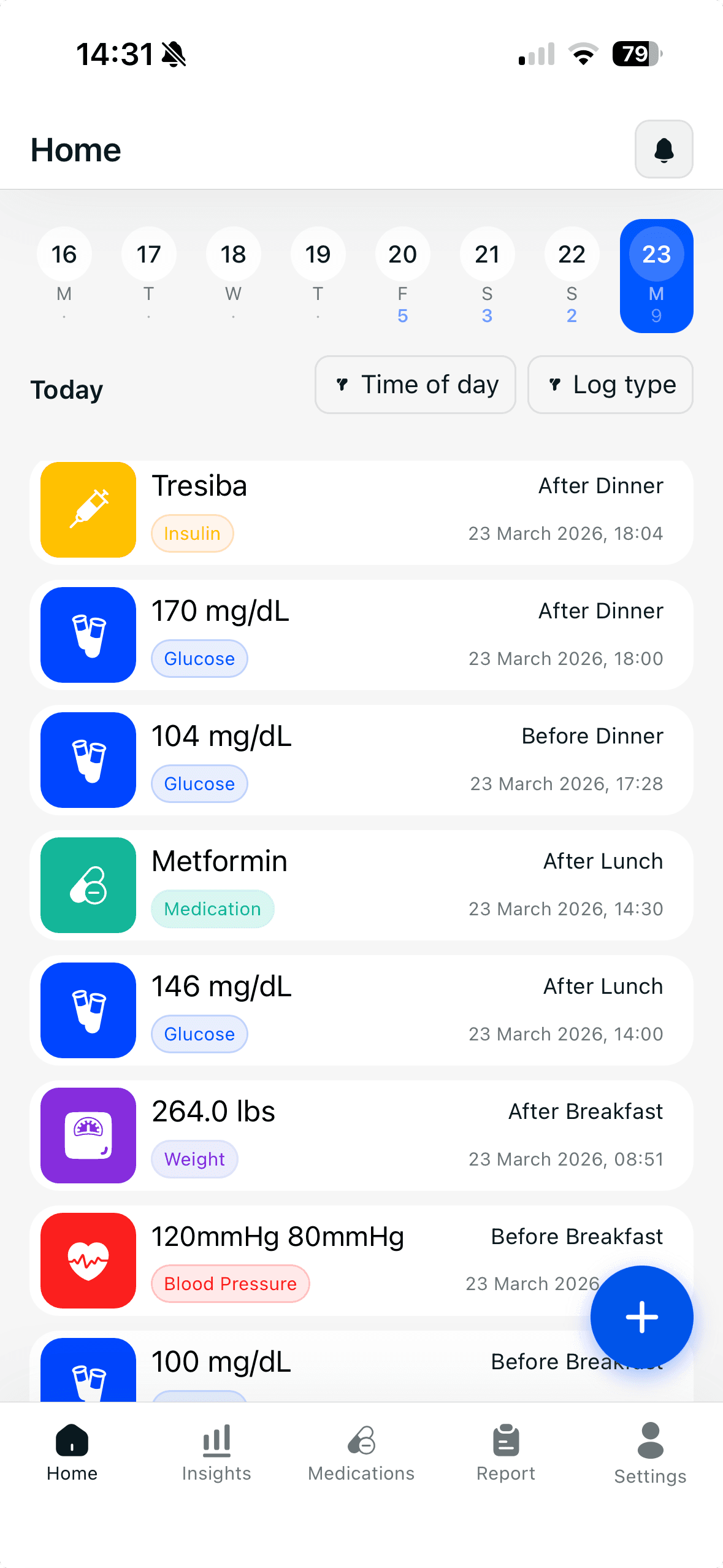
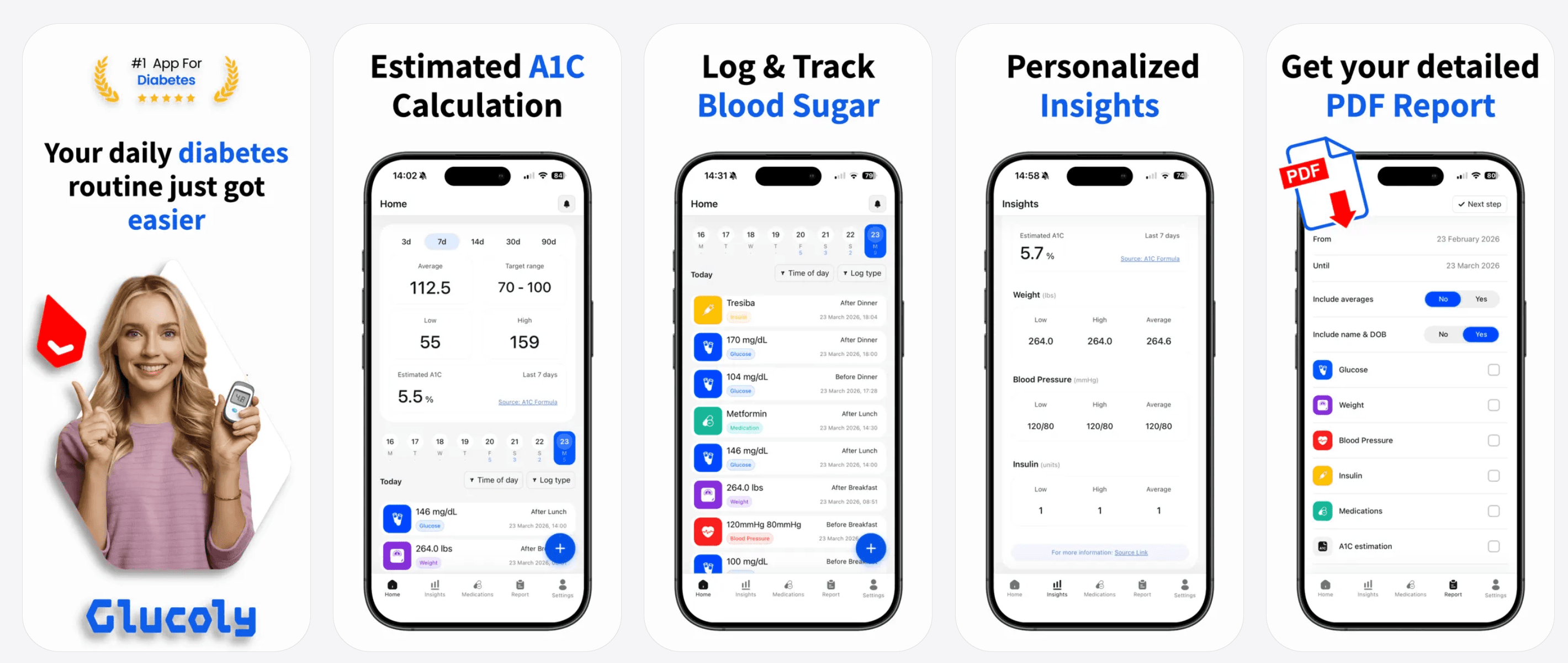
Track your blood sugar effortlessly with Glucoly. Available on iOS and Android.
Download GlucolyShare this article
Related Posts
What Is LADA (Type 1.5 Diabetes)? Symptoms and How It Differs from Type 1 and Type 2
LADA (type 1.5 diabetes) is autoimmune diabetes that develops slowly in adults, often misdiagnosed as type 2.…
Read more →EducationDiabetic Retinopathy: How Diabetes Affects Your Eyes (and How to Protect Them)
Diabetic retinopathy is the leading cause of blindness in adults — largely preventable. Learn the stages, symp…
Read more →EducationWhat Is Diabetic Ketoacidosis (DKA)? Warning Signs You Must Know
DKA is a life-threatening diabetes emergency. Know the warning signs — fruity breath, vomiting, confusion — an…
Read more →