Normal fasting blood sugar is 70–99 mg/dL. See the full chart for adults, children, seniors, and pregnancy — with A1C targets and what the numbers mean.
Normal fasting blood sugar is 70–99 mg/dL for adults, under 140 mg/dL two hours after eating, and A1C under 5.7%. Readings above these thresholds indicate prediabetes or diabetes. However, targets vary by age: children, older adults, and pregnant women all have different recommended ranges. Understanding where your numbers fall — and what they mean for your health — is the first step toward effective blood sugar management.
In this article
- Blood Sugar Levels Chart: Adults (18–64)
- Blood Sugar Levels for Children and Teenagers
- Blood Sugar Levels for Older Adults (65+)
- Blood Sugar Targets During Pregnancy
- What Affects Your Blood Sugar Readings?
- How to Check Your Blood Sugar
- When to See a Doctor
- What is a dangerously high blood sugar level?
- What is a dangerously low blood sugar level?
- Is 5.7 A1C good or bad?
- Can blood sugar levels vary throughout the day?
At a Glance
- Fasting blood sugar: 70–99 mg/dL is normal for adults; 100–125 mg/dL is prediabetes; 126+ mg/dL on two separate tests confirms diabetes
- Post-meal (2-hour): under 140 mg/dL is normal; 140–199 mg/dL is prediabetes; 200+ mg/dL indicates diabetes
- A1C: under 5.7% is normal; 5.7–6.4% is prediabetes; 6.5% or higher on two tests confirms diabetes
- Children's targets are slightly wider: 70–180 mg/dL throughout the day is generally acceptable
- Older adults (65+) often have higher safe targets due to hypoglycemia risk: 80–200 mg/dL
- Pregnant women have stricter targets: fasting under 95 mg/dL, 1-hour post-meal under 140 mg/dL
Blood Sugar Levels Chart: Adults (18–64)
For adults aged 18 to 64, blood sugar targets are well established by organisations such as the American Diabetes Association (ADA) and the World Health Organization (WHO). There are three main measurement types: fasting blood sugar (taken after at least 8 hours without food), post-meal blood sugar (measured 2 hours after eating), and A1C (a lab test reflecting your average blood sugar over the past 3 months). Each has distinct thresholds separating normal from prediabetes and diabetes.
- Fasting (no food for 8+ hours): Normal 70–99 mg/dL | Prediabetes 100–125 mg/dL | Diabetes 126+ mg/dL
- 2 hours after eating: Normal under 140 mg/dL | Prediabetes 140–199 mg/dL | Diabetes 200+ mg/dL
- Random blood sugar (any time of day): Diabetes diagnosed at 200+ mg/dL with symptoms such as excessive thirst or frequent urination
- A1C (3-month average): Normal under 5.7% | Prediabetes 5.7–6.4% | Diabetes 6.5%+
- Fasting insulin: optimal range is approximately 2–6 µIU/mL, though this is less standardised than glucose measurements
Blood Sugar Levels for Children and Teenagers
Children and teenagers have slightly wider acceptable blood sugar ranges than adults. This is because hypoglycemia — dangerously low blood sugar — is more hazardous in young children who cannot reliably recognise or communicate symptoms. For children with type 1 diabetes in particular, tight glycaemic control must always be balanced against the risk of severe low blood sugar episodes. The ADA provides age-specific guidance that prioritises safety alongside long-term glucose management.
- Before meals (fasting): 70–130 mg/dL is generally acceptable for children with diabetes
- After meals (1–2 hours): under 180 mg/dL
- Bedtime: 90–150 mg/dL to prevent overnight lows
- A1C target: under 7.0% for most children with type 1 diabetes, per ADA guidelines
- Very young children (under 6): slightly higher targets are used because they cannot reliably report hypoglycemia symptoms
Blood Sugar Levels for Older Adults (65+)
The ADA recommends less strict blood sugar targets for older adults with diabetes. Seniors face greater risk from hypoglycemia — low blood sugar can cause falls, fractures, cardiac arrhythmias, and cognitive decline. Individual targets should account for life expectancy, the presence of other chronic conditions, cognitive function, and the ability to recognise and manage hypoglycemia independently. A personalised approach agreed with a healthcare provider is always recommended.
- Fasting: 80–130 mg/dL is a reasonable target for many older adults with diabetes
- A1C target: 7.5–8.0% is acceptable for older adults with multiple health conditions or limited life expectancy
- A1C under 7.5% for healthy older adults who can tolerate tighter control without significant hypoglycemia risk
- Post-meal: under 180 mg/dL is a reasonable goal
- Hypoglycemia below 70 mg/dL is especially dangerous in seniors — it significantly raises the risk of falls and cardiac events
Blood Sugar Targets During Pregnancy
Pregnancy requires the strictest blood sugar targets of any life stage. Elevated blood sugar during pregnancy — whether from pre-existing diabetes or gestational diabetes — raises the risk of complications including large birth weight, preterm delivery, and neonatal hypoglycemia. Gestational diabetes is typically screened between 24 and 28 weeks of pregnancy using a 75g oral glucose tolerance test. Achieving tight control throughout pregnancy protects both mother and baby.
- Fasting: under 95 mg/dL
- 1 hour after eating: under 140 mg/dL
- 2 hours after eating: under 120 mg/dL
- A1C: 6.0–6.5% is the typical target during pregnancy
- Gestational diabetes screening: 24–28 weeks with a 75g oral glucose tolerance test
What Affects Your Blood Sugar Readings?
Blood sugar is not a fixed number — it responds dynamically to dozens of factors throughout the day. Understanding what drives your readings helps you interpret results accurately and take meaningful action. The following are the most common influences on blood glucose levels.
- Food and carbohydrate intake — the primary driver of post-meal spikes; refined carbohydrates and sugary drinks cause the fastest rises
- Physical activity — exercise improves insulin sensitivity and lowers blood sugar; even a 10-minute walk after a meal can measurably reduce post-meal peaks
- Stress — cortisol and adrenaline raise blood sugar even without eating, which is why illness, anxiety, and major life events can all affect readings
- Sleep — poor or insufficient sleep worsens insulin resistance within just a few days
- Illness and infection — the inflammatory response raises blood sugar, often requiring temporary adjustments to medication
- Medications — some drugs including corticosteroids, beta-blockers, and certain antipsychotics raise blood sugar
- Timing of insulin or diabetes medication — missed or delayed doses cause spikes that can persist for hours
How to Check Your Blood Sugar
Several methods are available for monitoring blood glucose, ranging from traditional fingerstick meters to wearable continuous sensors. Your doctor will recommend the most appropriate method based on your diagnosis and management goals. Consistent monitoring gives you and your care team the data needed to adjust treatment and catch problems early.
- Glucometer (fingerstick): prick the fingertip, apply a small drop of blood to a test strip — delivers an instant reading in about 5 seconds
- Continuous glucose monitor (CGM): a small sensor worn on the arm or abdomen reads glucose levels every 1–5 minutes and sends data to a phone or dedicated receiver
- A1C blood test: performed at a clinic, typically every 3 months; shows your average blood glucose over the past 3 months
- Flash glucose monitoring (FreeStyle Libre): scan the sensor with a smartphone or reader for an instant glucose reading without a fingerstick
- Time in Range (TIR): the percentage of time your glucose stays within 70–180 mg/dL — increasingly used alongside A1C as a key management metric
When to See a Doctor
- Fasting blood sugar consistently above 100 mg/dL — request an A1C test to rule out prediabetes
- Any reading above 200 mg/dL with symptoms such as excessive thirst, frequent urination, or blurred vision
- Blood sugar below 54 mg/dL (severe hypoglycemia) — treat immediately with fast-acting carbohydrates and discuss the episode with your doctor
- A1C above 6.5% on two separate tests — this meets the diagnostic threshold for diabetes
- Unexplained patterns of highs or lows that do not match your diet, activity level, or medication schedule
Frequently Asked Questions
What is a dangerously high blood sugar level?
A blood sugar above 240 mg/dL is concerning and above 300 mg/dL is dangerous — this is serious hyperglycemia requiring prompt attention. Levels above 600 mg/dL can lead to hyperosmolar hyperglycaemic state (HHS), a life-threatening emergency requiring immediate hospitalisation. Diabetic ketoacidosis (DKA) can develop at lower levels, particularly in type 1 diabetes. If you record a reading above 300 mg/dL with symptoms such as confusion, vomiting, or extreme weakness, seek emergency care immediately.
What is a dangerously low blood sugar level?
Blood sugar below 70 mg/dL is classified as hypoglycemia. Below 54 mg/dL is clinically significant hypoglycemia requiring immediate treatment with fast-acting carbohydrates — the standard recommendation is 15g of glucose (such as glucose tablets, fruit juice, or regular soda), followed by retesting after 15 minutes. Below 40 mg/dL, the risk of seizures or loss of consciousness rises sharply — call emergency services if the person cannot treat themselves.
Is 5.7 A1C good or bad?
An A1C of 5.7% falls at the lower boundary of the prediabetes range (5.7–6.4%). It is not yet diabetes, but it is a clear signal that action is needed. Research shows that lifestyle changes — specifically losing 5–7% of body weight and engaging in at least 150 minutes of moderate exercise per week — can return A1C to the normal range below 5.7% and substantially reduce the risk of progressing to type 2 diabetes.
Can blood sugar levels vary throughout the day?
Yes. Blood sugar naturally rises after meals, typically peaking 1–2 hours after eating, then returning to baseline within 3–4 hours in people without diabetes. It is usually at its lowest in the early morning before eating, which is why fasting readings are taken first thing in the morning. This natural daily variation is why different test types — fasting, random, and post-meal — each have their own reference ranges.
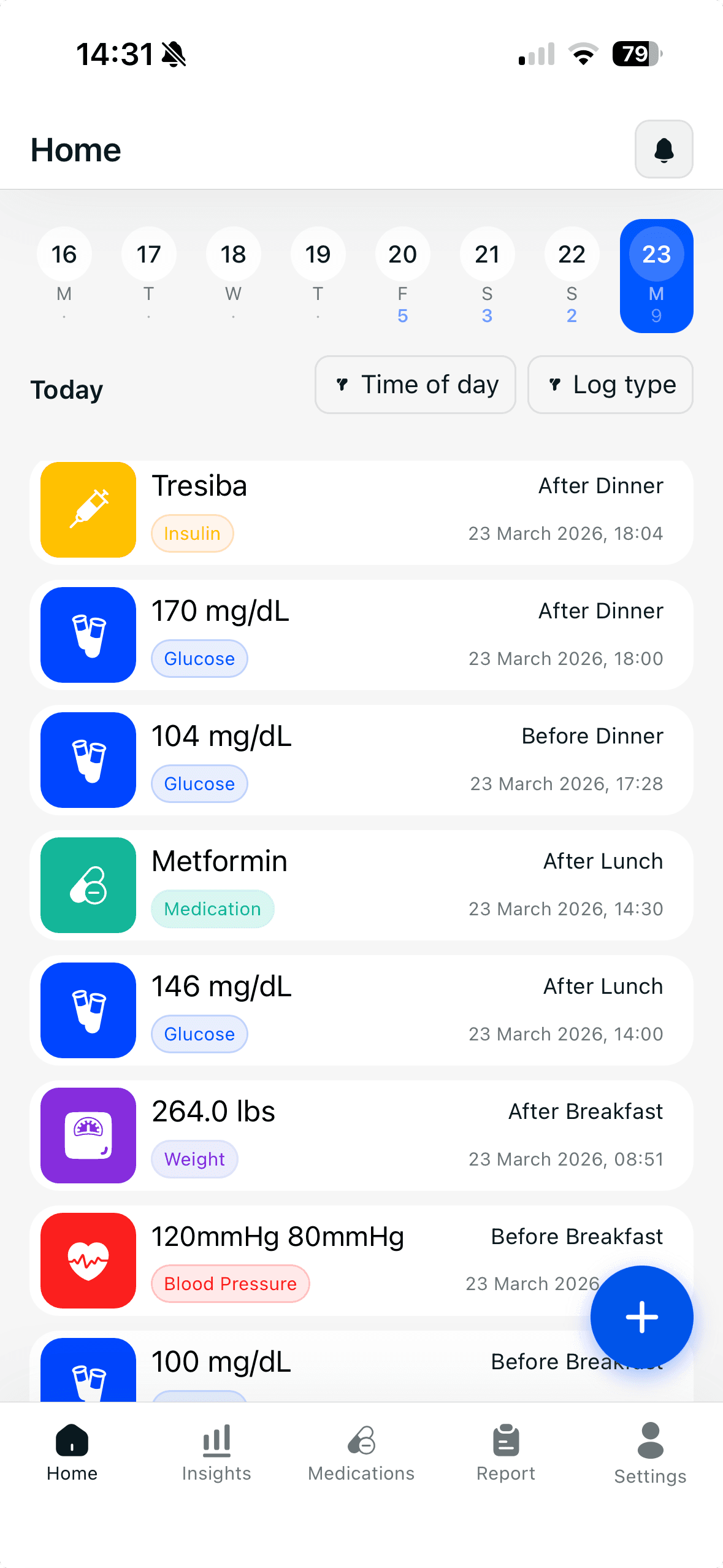
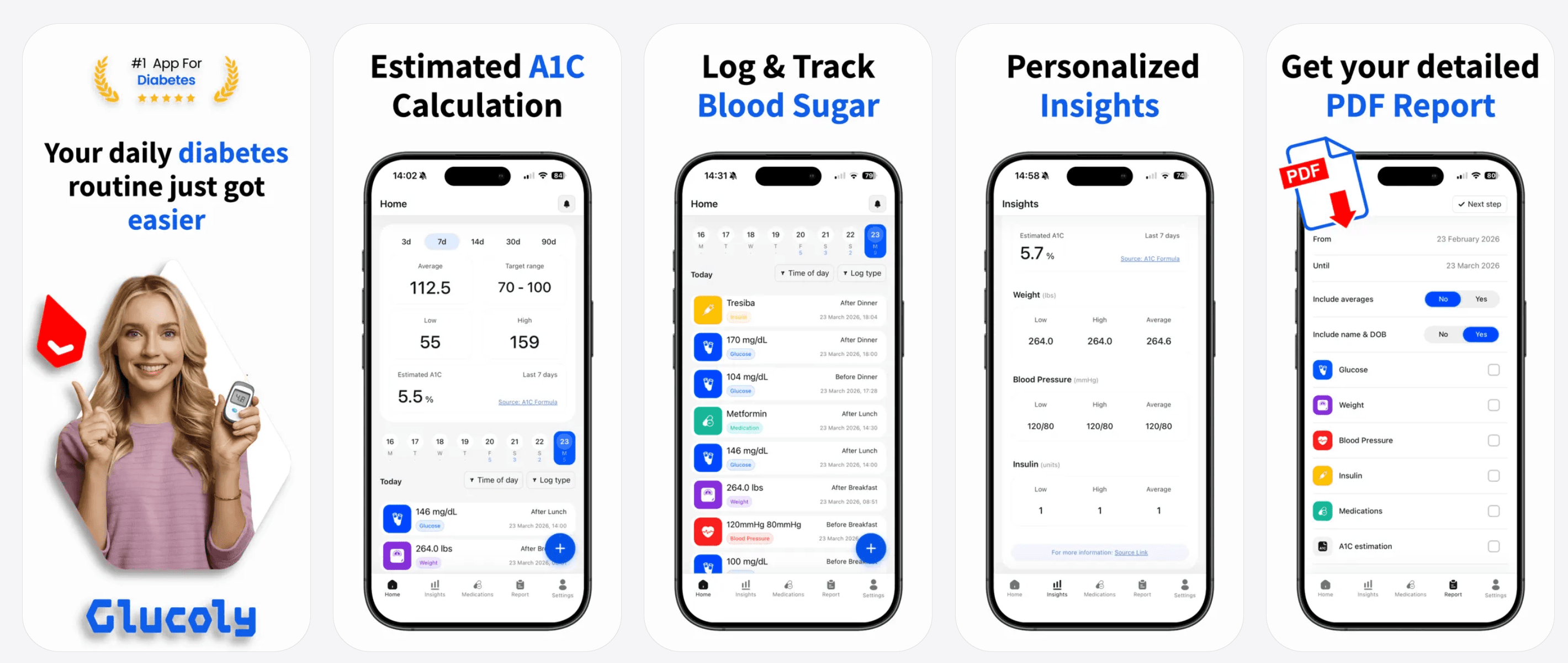
See where your numbers land over time by logging them in Glucoly — free to download with unlimited logging, plus Glucoly Premium for estimated A1C and detailed reports.
Download GlucolySources
- American Diabetes Association (ADA) — diabetes.org
- Centers for Disease Control and Prevention (CDC) — cdc.gov/diabetes
- World Health Organization (WHO) — who.int
- National Institute of Diabetes and Digestive and Kidney Diseases (NIDDK) — niddk.nih.gov
Share this article
Related Posts
What Is LADA (Type 1.5 Diabetes)? Symptoms and How It Differs from Type 1 and Type 2
LADA (type 1.5 diabetes) is autoimmune diabetes that develops slowly in adults, often misdiagnosed as type 2.…
Read more →EducationDiabetic Retinopathy: How Diabetes Affects Your Eyes (and How to Protect Them)
Diabetic retinopathy is the leading cause of blindness in adults — largely preventable. Learn the stages, symp…
Read more →EducationWhat Is Diabetic Ketoacidosis (DKA)? Warning Signs You Must Know
DKA is a life-threatening diabetes emergency. Know the warning signs — fruity breath, vomiting, confusion — an…
Read more →